Corporate Wellness Trends 2026: What HR Leaders Need to Know Now
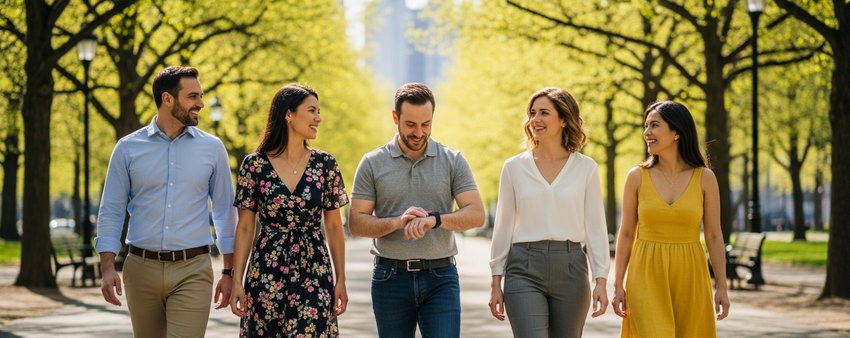
Here's a number that should get every HR leader's attention: 41% of employers plan to increase wellness spending in the next one to two years. But the programs they're investing in look almost nothing like the wellness initiatives of even three years ago. Corporate wellness trends in 2026 have shifted dramatically - from basic gym memberships and annual health screenings to sophisticated, tech-driven ecosystems that touch every part of an employee's life.
If you're an HR leader, CHRO, or People Ops director planning your wellness strategy this year, you need to understand what's changed. The companies winning the talent war aren't just offering wellness programs. They're building wellness cultures. And the gap between leaders and laggards is widening fast.
Whole-Person Wellbeing Has Replaced Single-Dimension Programs
The biggest corporate wellness trend in 2026 is the shift from isolated health perks to integrated, whole-person wellbeing. Employees don't compartmentalize their lives - and smart employers have stopped pretending they do. Today's programs address mental, physical, financial, and social health as interconnected pieces of the same puzzle.
The numbers back this up. 75% of workplace wellness programs now include mental and behavioral health services, up from just 52% in 2023. That's not a gradual increase - it's a wholesale transformation in how companies think about supporting their people.
Financial wellbeing is the newest addition to the mix. With inflation still squeezing household budgets, 52% of employers anticipate greater investment in financial wellness resources this year, including coaching, budgeting tools, and student loan assistance. When employees are stressed about money, their productivity and health suffer. Smart companies have connected those dots.
Sleep is another frontier. 69% of employees sleep fewer than the recommended seven hours, and employers are finally treating this as a business problem. Expect to see more companies offering sleep hygiene programs, flexible scheduling for circadian health, and even nap-friendly office spaces in 2026.
AI-Driven Personalization Is Reshaping the Experience
One-size-fits-all wellness doesn't work. We've known this for years, but 2026 is the year AI makes personalization genuinely scalable. Organizations are leveraging artificial intelligence and data analytics to create personalized wellness roadmaps - custom nutrition plans, exercise routines, stress management strategies, and benefit recommendations tailored to individual needs and preferences.
For hybrid and remote teams, this is particularly powerful. AI can analyze wearable data and engagement patterns to detect early signs of burnout or fatigue, then trigger targeted interventions before problems escalate. Think of it as preventive care for your workforce - catching issues when a nudge helps, not when someone's already out on leave.
Predictive analytics from wearable devices are complementing human support systems. Managers get insights (privacy-protected, of course) about team-level stress patterns. Wellness platforms suggest recovery days, mindfulness sessions, or schedule adjustments based on real data rather than guesswork.
But there's an important caveat. Employees still resist AI in sensitive areas like personal development and mental health conversations. The most successful programs use AI as the engine behind the scenes while keeping human coaches and counselors front and center. Technology enables - it doesn't replace - the human touch.
The Mental Health Infrastructure Buildout
Calling mental health support a "trend" almost undersells it. In 2026, it's become core infrastructure - as fundamental to workplace operations as IT systems or physical safety protocols. And the approach has matured significantly.
Companies aren't just slapping a meditation app onto their benefits package anymore. The most effective programs now combine therapy access, coaching, meditation and mindfulness tools, and physical fitness memberships into integrated systems that recognize how stress, movement, and mental health interact.
Manager training has gone digital too. Remote and hybrid managers are learning to spot stress signals through digital metrics and communication patterns. When someone who typically responds within minutes starts going quiet for hours, or when meeting participation drops, trained managers know to check in - not with a performance conversation, but with genuine care.
56% of employers are launching health-equity initiatives by 2026, ensuring that mental health resources reach every employee regardless of role, location, or background. This means virtual-first care options, multilingual support, and culturally competent counseling networks that work for a diverse workforce.
Wearables and Bio-Monitoring Go Mainstream
Wearable fitness technology has crossed from personal gadget to corporate wellness tool. Garmin, Fitbit, Apple Watch, Polar - these devices are now central to how organizations track and support employee health. And the integration has gotten seamless.
In 2026, wearable data feeds directly into wellness platforms, giving employees real-time feedback on activity levels, sleep quality, stress markers, and recovery status. Gen Z and millennials - who now make up the majority of the workforce - have driven this adoption. They expect science-backed, data-driven health tools as a baseline, not a bonus.
For companies running step challenges, virtual races, or activity-based wellness programs, wearable integration is what makes participation frictionless. Employees don't need to manually log anything. Their Garmin syncs automatically. Their Apple Watch counts every step. Their Polar tracks their morning run without any extra effort.
The privacy conversation has matured alongside the technology. Responsible AI governance frameworks ensure that individual health data stays private while still enabling organizational insights at an aggregate level. Employees get personal dashboards. Companies get anonymized trends. Everyone wins.
Hybrid Wellness: Designing for Flexibility
With hybrid work firmly established as the norm, wellness programs have had to adapt. The 2026 approach is what experts call "blended access" - flexible, multi-channel ecosystems that meet employees wherever they are.
This means virtual mental health services for remote workers, digital fitness classes accessible from any location, partnerships with near-site gyms for office-based employees, and wellness apps that tie it all together. The goal is to eliminate the location penalty - remote employees shouldn't get a lesser wellness experience just because they're not in the office.
Virtual team challenges have emerged as one of the most effective tools for bridging the hybrid gap. 62% of employees say community and social support are essential for sustaining long-term wellness habits. Step challenges, virtual races, and team fitness competitions create shared experiences that build connection across time zones and locations.
Core collaboration hours paired with AI scheduling tools help protect wellness time. Companies are tracking after-hours communication metrics to curb the always-on culture that fuels burnout. Some are even designating "meeting-free wellness blocks" where employees can exercise, meditate, or simply step away.
The Counter-Trend: Softness Over Optimization
Not every corporate wellness trend in 2026 is about more technology and more data. A notable counter-movement is gaining momentum - a push back against the relentless optimization mindset that turned wellness into yet another performance metric.
The fastest-growing wellness spaces are prioritizing nervous-system safety, emotional repair, and even pleasure over dashboards and streaks. Social wellness activities that emphasize joy, connection, and rest are resonating with employees who are tired of being told to optimize everything.
What does this look like in practice? Walking groups that focus on conversation rather than step counts. Wellness days that genuinely encourage rest rather than cramming in productive activities. Yoga sessions where nobody tracks their heart rate. The point isn't to stop measuring entirely - it's to remember that the goal of wellness is actually feeling well, not hitting numbers.
For HR leaders, the takeaway is balance. Use data and technology where they help. But don't turn wellness into another source of pressure.
Making It Work: Where DistantRace Fits In
Implementing these corporate wellness trends doesn't require a massive budget or a dedicated wellness team. Platforms like DistantRace make it straightforward to launch step challenges, virtual races, and team fitness competitions that align with 2026's biggest trends - wearable integration with Garmin, Fitbit, Apple Watch, and Polar; team-based gamification with leaderboards and virtual maps; and flexible participation that works for hybrid and remote teams alike.
Whether you're a 50-person startup or a 5,000-person enterprise, the principles are the same. Start with what your people actually want. Make participation easy and social. Measure what matters. And never lose sight of the fact that wellness, at its core, is about helping people feel better - not just perform better.
What to Do Next
Corporate wellness trends in 2026 point in a clear direction: holistic, personalized, technology-enabled, and deeply human. The companies that thrive will be the ones that treat employee wellbeing as a genuine business strategy - not a checkbox.
Start by auditing your current programs against these trends. Where are the gaps? Are you addressing financial wellness? Is your mental health support truly accessible to remote employees? Are you using wearable data to personalize the experience? And most importantly - are your people actually participating?
The investment case is strong, the tools are available, and your employees are waiting. The only question is whether you'll lead or follow.
Over ons
Hallo! Wij zijn DistantRace. Gedreven door onze passie voor sport streven we ernaar om uitzonderlijke ondersteuning te bieden bij het organiseren van ongeëvenaarde sportevenementen. Wij geloven dat iedereen toegang verdient tot de beste sportervaringen. Schrijf ons en we helpen je dit te realiseren!

Laatste Artikelen

Labels
TikTok
@distantrace
Inschrijven
Ontvang het laatste nieuws, kortingen en aanbiedingen.