The Hidden Wellness Benefit Your Team Needs
When companies launch step challenges or virtual fitness events, the conversation usually centers on physical health - lower blood pressure, better cardiovascular fitness, reduced sick days. But a growing body of research suggests the mental health benefits may be even more significant. For HR leaders and wellness coordinators searching for scalable solutions, virtual fitness challenges offer a surprisingly powerful tool against stress, anxiety, and burnout.
Exercise and Mental Health: What the Science Says
The connection between physical activity and psychological well-being is well established. Regular moderate exercise - even something as simple as a daily 30-minute walk - triggers the release of endorphins and serotonin, the brain's natural mood regulators. A 2023 meta-analysis published in the British Journal of Sports Medicine found that physical activity was 1.5 times more effective than counseling or leading medications for reducing symptoms of depression, anxiety, and psychological distress.
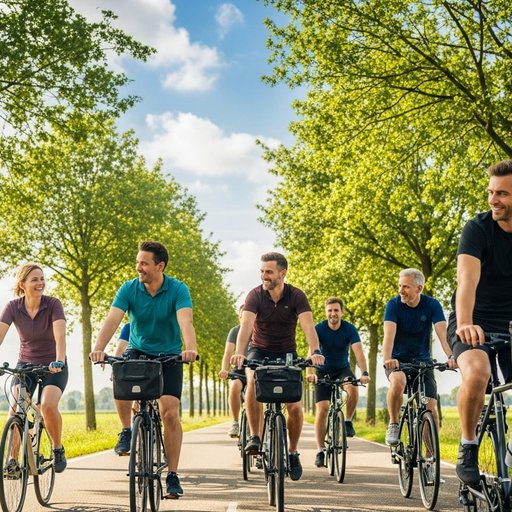
What makes virtual challenges particularly effective is their accessibility. Participants do not need to run marathons or hit the gym for an hour each day. Walking 8,000 steps, cycling to work, or taking a lunchtime stroll all count. This low barrier to entry means more people actually participate - and consistency matters far more than intensity when it comes to mental health outcomes.
Social Connection Fights Isolation
Remote and hybrid work arrangements have created a quiet epidemic of workplace loneliness. A recent Gallup survey found that one in five employees worldwide feels lonely at work, with remote workers reporting the highest rates. Virtual fitness challenges address this directly by creating shared goals and daily touchpoints between colleagues who might otherwise never interact.
When your team joins a step challenge together, something shifts. People message each other about their morning walks, share photos from weekend hikes, and cheer on colleagues who hit milestones. These micro-interactions rebuild the social fabric that distributed teams often lose. The challenge becomes a conversation starter, a reason to connect that has nothing to do with deadlines or deliverables.
Structure Creates Healthy Habits
One of the more overlooked mental health benefits of virtual challenges is the sense of structure they provide. Having a daily step goal or a weekly distance target gives people a small, achievable objective outside of work tasks. For employees struggling with anxiety or feeling overwhelmed, these bite-sized goals offer a sense of accomplishment and control that can anchor their day.
Reducing Burnout Through Movement
Burnout is not simply about working too many hours - it is about sustained stress without adequate recovery. Movement breaks throughout the day act as natural stress circuit-breakers. When employees participate in a challenge that encourages regular walking or cycling, they naturally build recovery periods into their workday.
Companies that have implemented wellness challenges through platforms like DistantRace.com report that employees begin taking more walking meetings, using lunch breaks actively, and stepping away from screens more frequently. These behavioral shifts compound over time, creating a workplace culture where movement is normalized rather than seen as time away from productivity.
Measurable Impact for HR Leaders
The business case is compelling. Organizations with active wellness programs report up to 25% lower absenteeism and significantly higher employee engagement scores. When employees feel their company genuinely cares about their well-being - physical and mental - loyalty and satisfaction increase. Virtual fitness challenges are among the most cost-effective wellness interventions available, requiring no gym memberships, no dedicated facilities, and no complex scheduling.
Getting Started Is Simpler Than You Think
Launching a mental-health-friendly fitness challenge does not require a massive wellness budget. Start with a team step challenge lasting two to four weeks. Keep it inclusive by allowing any activity - walking, cycling, swimming, yoga - to count toward the goal. Celebrate participation, not just performance, and share progress updates to maintain momentum.
Platforms like DistantRace.com make it straightforward to set up challenges that connect with popular fitness trackers and smartwatches, so participants can focus on moving rather than manual logging.
A Small Step With a Big Payoff
Mental health support does not always have to come in the form of therapy sessions or meditation apps - though those have their place. Sometimes the most effective intervention is the simplest one: getting people moving together toward a shared goal. Virtual fitness challenges lower the barrier, build community, and give every participant a daily reason to step outside, breathe deeply, and move their body.
Visit distantrace.com today to explore challenge options for your team. A healthier, happier, and more connected workplace might be just a few thousand steps away.