Employee Step Challenge Engagement Tips That Keep Participation High All Month

You launched the step challenge. The first week was electric - sign-ups poured in, Slack channels buzzed with screenshots, and your leaderboard lit up like a scoreboard on game day. Then week three hit. Half the team stopped logging steps. The group chat went quiet. Sound familiar? You're not alone. Research shows that 83% of employees are more likely to join a wellness initiative that includes a team or community component, but getting people to start isn't the hard part. Keeping them engaged throughout an employee step challenge is where most programs stumble.
The good news? There are practical, tested employee step challenge engagement tips that prevent the mid-challenge fade. This guide breaks down exactly how wellness coordinators and HR managers can sustain momentum from day one through the finish line.
Build Teams, Not Just Leaderboards
Individual step challenges can feel isolating. When someone falls behind, the instinct is to quietly drop out rather than catch up. Team-based formats flip that dynamic entirely.
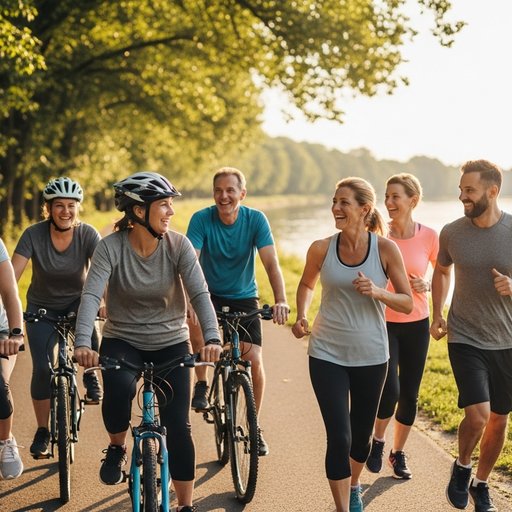
When employees are grouped into teams of four to six people, something shifts. Suddenly, skipping a lunchtime walk means letting your teammates down - not just yourself. That social accountability is powerful. Teams combine their steps toward a shared goal, which means every contribution matters regardless of fitness level.
Real-time leaderboards add a layer of friendly competition that keeps people checking in. Post updates in Slack, Teams, or your challenge platform so teams can see where they stand. But here's the key - make sure the leaderboard highlights team effort, not just the top individual walkers. You want the message to be "we're in this together," not "Sarah walks 20,000 steps a day and the rest of us can't keep up."
Consider rotating team compositions every two weeks if your challenge runs longer than a month. Fresh matchups prevent stagnation and help employees connect with colleagues they wouldn't normally interact with. It's team building that happens naturally, without trust falls or awkward icebreakers.
Don't Save All the Prizes for the End
One of the biggest mistakes wellness coordinators make is saving all incentives for the final day. If employees know the only reward comes at week four, they'll coast through weeks two and three - or drop off entirely.
Weekly incentive thresholds solve this. Each week, randomly award prizes to individuals or teams that hit their step targets. Here's a smart twist: remove previous winners from the pool each week and increase the number of prizes as the challenge progresses. Participants quickly realize that staying engaged improves their chances of winning as the weeks go on.
Prizes don't need to break the budget. Consider these options that employees actually value:
- Extra PTO hours - even a half-day off is a massive motivator
- Gift cards ($15-25 to coffee shops, Amazon, or local restaurants)
- Wellness perks - a free massage, yoga class pass, or fitness gear
- Charity donations - let the winning team choose a nonprofit to receive a company donation
- Recognition - a shoutout from the CEO in a company-wide email carries more weight than you'd think
The charity donation angle works especially well for organizations where cash prizes feel awkward. Employees stay motivated by a sense of purpose, and your company gets a CSR story to tell.
Use Themes to Fight the Boring Factor
A step challenge that's just "walk more steps" gets old fast. Themes inject variety and give participants something to talk about beyond numbers on a screen.
Some proven theme ideas that companies have used successfully:
"Virtual Road Trip" - Map your collective team steps to a real-world route. For example, if your company is based in New York, track cumulative steps along a route to Los Angeles. Hit milestones at cities along the way - Philadelphia, Nashville, Dallas - and celebrate each one. It transforms abstract step counts into a shared journey.
"Around the World" - Similar concept, but global. Teams "visit" countries as they accumulate steps. Share fun facts about each destination when teams arrive. This works brilliantly for multinational companies or diverse workforces.
"Step-tober" or seasonal themes - Tie the challenge to a season or cultural moment. A fall harvest theme, a spring renewal challenge, or a summer adventure series all give you built-in content for weekly updates.
Trivia bonus rounds - Layer a weekly trivia question on top of the step challenge. Teams earn bonus points for correct answers, adding a mental engagement component that appeals to employees who aren't naturally competitive about fitness.
The point isn't the theme itself - it's that themes give you a reason to communicate. And communication is the engine that keeps a step challenge alive.
Master the Communication Cadence
Here's a truth most HR teams learn the hard way: a step challenge without consistent communication is just a forgotten app on someone's phone.
The ideal communication schedule looks something like this:
- Pre-launch (1-2 weeks before) - Teaser emails, manager buy-in, sign-up reminders
- Launch day - Big announcement, team reveals, platform walkthrough
- Weekly updates - Leaderboard standings, fun stats ("Our company walked the equivalent of London to Paris this week!"), spotlight stories
- Mid-challenge boost - A mini-challenge within the challenge, a surprise prize, or a special event like a company-wide walking meeting
- Final week hype - Countdown, final standings tease, celebration preview
Create a dedicated channel - whether that's a Slack channel, Microsoft Teams group, or even a simple email thread - where participants share photos, encourage each other, and post their wins. When someone shares a photo of their rainy morning walk, that's peer motivation that no corporate email can match.
Leadership participation matters more than you might expect. When a VP or director posts their step count or joins a walking meeting, it signals that this isn't just an HR checkbox - it's something the company genuinely values.
Appoint Team Captains and Walking Champions
You can't be everywhere at once. Team captains extend your reach and create pockets of motivation throughout the organization.
Select one enthusiastic person per team to serve as captain. Their job is simple: send a quick message to their team two or three times per week. It might be a reminder, a funny meme about walking, or a genuine "hey, we're only 5,000 steps behind Team Rocket - let's crush our lunchtime walk today." That human touch makes all the difference.
Walking champions take it further. These are employees who volunteer to organize walking groups - a 15-minute post-lunch walk, a before-work loop around the parking lot, or a walking meeting slot. They don't need to be the fittest people in the office. They just need to be consistent and welcoming.
The data supports this approach. Programs with peer leaders consistently see higher participation rates than those run exclusively by HR. People respond to colleagues, not corporate mandates.
Remove Barriers Before They Become Excuses
Every friction point between an employee and their daily steps is an opportunity for them to disengage. Smart wellness coordinators identify and eliminate these barriers before the challenge starts.
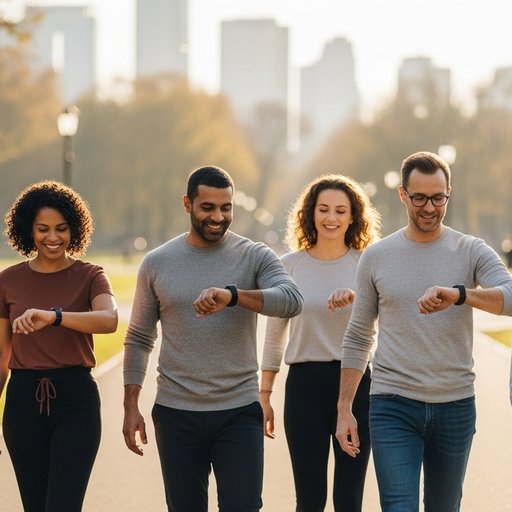
Device connectivity is the number one technical barrier. Make sure your challenge platform syncs with the wearables and apps your employees actually use - Garmin, Fitbit, Apple Watch, Polar, and phone-based step counters. Offer a setup session or walkthrough video before launch day so nobody spends their first week troubleshooting Bluetooth connections instead of walking.
Accessibility matters too. Not everyone can hit 10,000 steps a day. Set tiered goals - a base target that's achievable for most people, a stretch goal for motivated walkers, and recognition for improvement over personal baselines. A sedentary employee who goes from 2,000 to 5,000 daily steps has made a bigger health impact than a runner maintaining 12,000.
Time barriers are real, especially for desk-bound employees. Promote walking meetings, suggest "step breaks" instead of coffee breaks, and encourage managers to normalize short movement sessions during the workday. When the culture supports walking, individual participation follows.
How DistantRace Makes Engagement Easier
Running a step challenge with spreadsheets and honor systems is a recipe for admin burnout. DistantRace handles the heavy lifting so you can focus on the engagement strategies that actually move the needle.
The platform supports team challenges with automatic step tracking, real-time leaderboards, and virtual maps that bring themed challenges to life. It syncs with all major wearables - Garmin, Fitbit, Apple Watch, Polar, and more - so employees connect once and forget about it. For HR teams, the dashboard makes it easy to track participation, celebrate milestones, and export results without wrestling with data.
Whether you're running a four-week team step challenge or a quarter-long wellness program, DistantRace gives you the tools to keep things competitive, fun, and inclusive.
Keep the Momentum Going After the Challenge Ends
The best employee step challenge engagement tips don't stop when the challenge does. What happens in the two weeks after your challenge wraps determines whether you've built a lasting wellness culture or hosted a one-time event.
Share final results with the entire company - not just winners, but collective achievements. "Together, we walked 12 million steps - that's the distance from New York to Sydney." Celebrate the journey, not just the podium.
Survey participants while the experience is fresh. Ask what worked, what didn't, and what they'd want next time. This feedback is gold for planning your next challenge. And there should be a next one - quarterly challenges with varied formats (steps, cycling, mindfulness minutes) keep wellness front of mind year-round.
Employee step challenge engagement tips boil down to this: make it social, make it easy, make it fun, and keep showing up with communication that reminds people why they signed up. Do that consistently, and you won't just run a successful challenge - you'll build a workplace where moving more is simply part of how things work.
Sobre Nós
Saudações! Somos a DistantRace. Movidos pela nossa paixão pelo desporto, esforçamo-nos por oferecer um apoio excecional na organização de eventos desportivos inigualáveis. Acreditamos que todos merecem ter acesso às melhores experiências desportivas. Contacte-nos e ajudaremos a concretizá-lo!

TikTok
@distantrace
Subscrever
Receba as últimas novidades, descontos e ofertas.