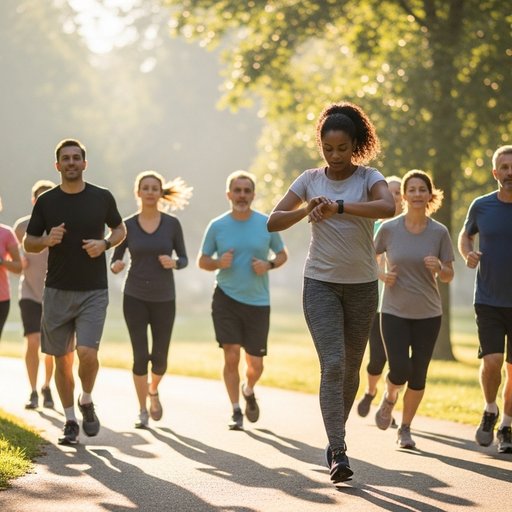
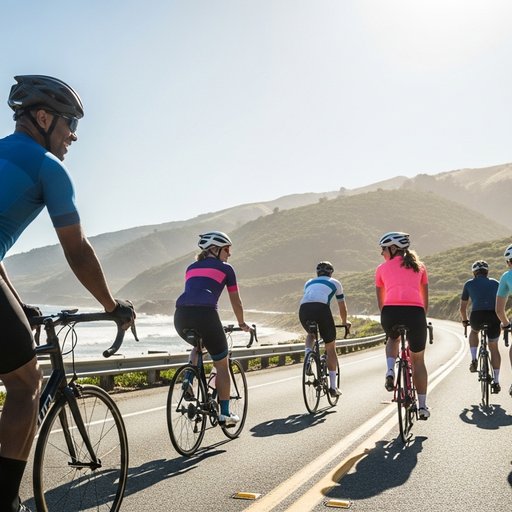
Here's a number that should stop every HR leader in their tracks. According to the Disability Equality Index, 28% of employees with disabilities say their employer offers no wellness program at all, compared with 21% of employees without disabilities. That gap is the quiet problem behind a lot of well-meaning wellness initiatives: the people who could benefit most are often the ones left on the sidelines. If you're hunting for inclusive wellness challenge ideas that actually pull in your whole team - not just the marathoners and the gym regulars - you're asking the right question. The best challenges in 2026 aren't about who can do the most. They're about giving everyone a real way in.
Why "Inclusive" Beats "Intense" Every Time
Most wellness challenges fail for a boring reason. They're built for people who are already fit. A 30-day "most steps wins" leaderboard sounds fun until you realize it quietly tells the employee with a mobility limitation, the new parent running on three hours of sleep, and the 58-year-old with a bad knee that this isn't for them.
And when those folks opt out, your participation numbers crater. The U.S. Department of Labor found that participation rises sharply when wellness activities are convenient and easily accessible - when employers use ADA-compliant platforms and offer alternative formats, more people show up. Inclusion isn't a nice-to-have you bolt on at the end. It's the thing that makes the whole program work.
There's a retention angle too. A program that makes a chunk of your workforce feel excluded sends a message, even if you never intended it. A program that meets people where they are sends the opposite one. So the goal isn't to lower the bar. It's to build a challenge with several doors, so everyone can find one that fits.
Inclusive Wellness Challenge Ideas That Work for Every Body
Here are the formats that consistently bring in people across ages, abilities, and fitness levels. Pick one to start, or rotate through them across a quarter.
1. The Movement Minutes Challenge
Instead of counting steps, count minutes of any movement. Walking counts. So does swimming, cycling, gardening, yoga, chair exercises, dancing in the kitchen, and stretching during a meeting. Everyone logs minutes toward a shared team total.
This single design choice removes the biggest barrier in fitness challenges. A wheelchair user doing seated cardio and a runner doing intervals can earn the same minutes. Nobody's activity is "lesser." It just counts.
2. Wellness Bingo
Build a 5x5 bingo card mixing physical, mental, and lifestyle squares: drink eight glasses of water, take a lunch walk, do five minutes of stretching, try a guided meditation, cook a healthy meal, get seven hours of sleep, message a coworker something kind. Employees complete a row, a column, or the full card.
Bingo works because participation isn't gated by fitness at all. Someone recovering from surgery can win. So can someone training for a triathlon. It's playful, low-pressure, and surprisingly sticky.
3. The Stretch-Break Challenge
Reward short mobility breaks during the workday. Two or three minutes of stretching, a lap around the office, a few desk exercises between meetings. This one's a gift to desk-bound and remote employees, and it's genuinely accessible to people who can't do high-impact exercise.
4. A Mindfulness or Stress-Relief Challenge
Not every wellness win is physical. Track meditation minutes, breathing exercises, journaling, or simply logging off on time. This broadens the definition of "healthy" well beyond the gym - and it speaks directly to the burnout most teams are quietly carrying.
5. The Team Virtual Journey
Pool everyone's activity - steps, minutes, miles, however you measure it - and map it onto a shared virtual route across a country or around the world. The team moves together. The slowest walker and the fastest cyclist are on the same trip, contributing to the same progress bar. It's the most natural team-builder of the bunch.
The Design Rules That Make or Break Inclusivity
The format matters, but how you run the challenge matters just as much. Research and practitioner guidance keep landing on the same handful of principles.
Offer alternatives for every activity. For any task, build in a chair-based, low-impact, or modified version. "Take a 20-minute walk" becomes "do 20 minutes of any movement that works for your body."
Use tiered goals or separate leagues. Don't make a beginner compete head-to-head with an athlete. Set personalized targets, or group people into leagues by starting point so the competition feels fair and winnable for everyone.
Let people go at their own pace. Rigid daily intensity requirements punish anyone with an unpredictable schedule or health condition. Self-paced participation keeps them in the game.
Go remote-friendly by default. Hybrid and work-from-home employees should never feel like second-class participants. If a challenge only works for people in the office, it's not inclusive - it's exclusive with extra steps.
Co-design with your people. The single most reliable way to build something inclusive is to ask. Pull employees with disabilities, older workers, and remote staff into the planning. They'll spot barriers you'd never see, and involving them builds buy-in before you even launch.
Don't Forget Older Workers and Multi-Generational Teams
Inclusivity isn't only about disability. It's also about age. Your workforce likely spans four generations, and a one-size-fits-all program rarely fits any of them well.
Older employees often gravitate toward low-impact activities - walking clubs, yoga, swimming - and value flexible scheduling. Younger employees may want higher-intensity formats and more competition. The fix isn't to pick a side. It's to offer a broad enough menu that a 24-year-old and a 60-year-old can both find their lane in the same challenge.
One more lever worth knowing: research cited by SBAM found that including spouses and family members in wellness initiatives can drive twice as high employee participation. A "household movement minutes" challenge or a weekend family-walk bonus can quietly double your engagement while making the whole thing feel less like a work mandate.
Avoid the Traps That Quietly Exclude People
A few common mistakes can undo all your good intentions. Watch for these.
- Stigmatizing language. Frame goals around personal progress, not "fixing" anyone. Avoid weight-loss framing, which alienates people and can feel shaming.
- Incentives that exclude. If the only way to earn the reward is hitting a high step count, you've just built a program for the already-active. Tie rewards to participation and consistency instead.
- Inaccessible tools. Make sure your platform offers alternative tracking methods, plain-language instructions, and large-print or screen-reader-friendly materials.
- Mandatory anything. Pressure backfires. The best programs make participation genuinely optional and genuinely appealing.
How DistantRace Makes Inclusive Challenges Simple
Building all this by hand is a lot. DistantRace is designed to do the heavy lifting. You can run step challenges, movement-minute challenges, virtual races, and team virtual journeys from one platform - so you can mix formats and give people multiple ways to participate.
Activities sync automatically from Garmin, Fitbit, Apple Watch, Polar, and more, which means people can track however they already move, with no extra apps to learn. Team-based maps and leaderboards let the casual walker and the dedicated cyclist contribute to the same shared goal. And because you can set up team totals and personalized targets, fair competition for mixed-ability groups is built in rather than bolted on.
The Takeaway
The most successful programs in 2026 share one trait: they're built so nobody has to be athletic to belong. The strongest inclusive wellness challenge ideas - movement minutes, wellness bingo, stretch breaks, mindfulness streaks, and team virtual journeys - all work because they offer many doors instead of one narrow gate. Add tiered goals, real alternatives, remote-friendly formats, and a planning process that includes the people most often left out, and you'll see participation climb across every age and ability. Start with one format this quarter, ask your team what they actually want, and build from there.