Quote
Physical fitness is not only one of the most important keys to a healthy body; it is the basis of dynamic and creative intellectual activity.
- John F. Kennedy

Here's a stat that should make every HR leader pause: a recent meta-analysis found that regular walking groups lowered participants' systolic blood pressure by 3.72 mm Hg and cut depression scores meaningfully, all with no notable side effects. That's a clinical-grade result from something as simple as a few coworkers walking together at lunch. If you want to know how to start a walking group at work that people actually show up for, the good news is you don't need a big budget or a gym. You need a clear goal, a handful of committed people, and a schedule that respects the workday. This guide walks you through it step by step.

The Conqueror Challenges built a loyal following by mailing real medals for virtual journeys along famous routes, and the app reviews show it.
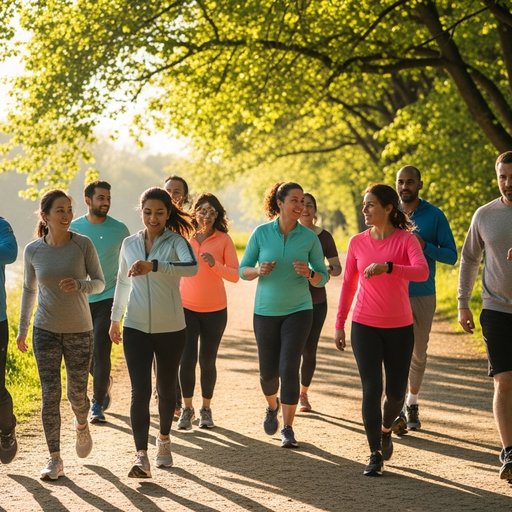
Picture your sales team in Ohio, your engineers in Toronto, and three remote contractors scattered across two time zones all walking the same route across Italy together.
Discover the step-by-step process of setting up a new step challenge using DistantRace. Embark on this exciting journey with us.
- John F. Kennedy

If you've been asked to launch a step challenge at work and you've never run one before, here's a number that should make your week: a 2025 CoreHealth Technologies analysis of more than 500 corporate programs found that themed step challenges boost participation by 30 to 50 percent compared with basic step counting. Even better, Motion Connected's 2025 case study of a distributed hospital system hit 85 percent participation with a simple office-to-office virtual tour format. The catch.

Picture this: it's a Saturday morning, and 240 employees from 14 different cities are running a 5K at the same time.

Most workplace step challenges fail in week two. Not because employees stop caring about their health, but because someone copy-pasted last year's "walk 10,000 steps a day" template and called it a wellness program.

Picture this: a Tuesday morning, your office Slack channel lighting up with screenshots of step counts, a marketing manager in Toronto trash-talking the engineering team in Austin, and someone from finance who hasn't taken a real lunch break in months suddenly walking around the block at noon. That's what a well-run corporate walking challenge does. And it's not just a feel-good story. According to a University of Edinburgh study of the Step Count Challenge, 93% of participants reported better physical health after taking part, and structured workplace step programs have shown sustained engagement rates as high as 94.4%. For HR teams trying to move the needle on wellness without blowing the budget, walking challenges keep showing up as the rare program that actually works..
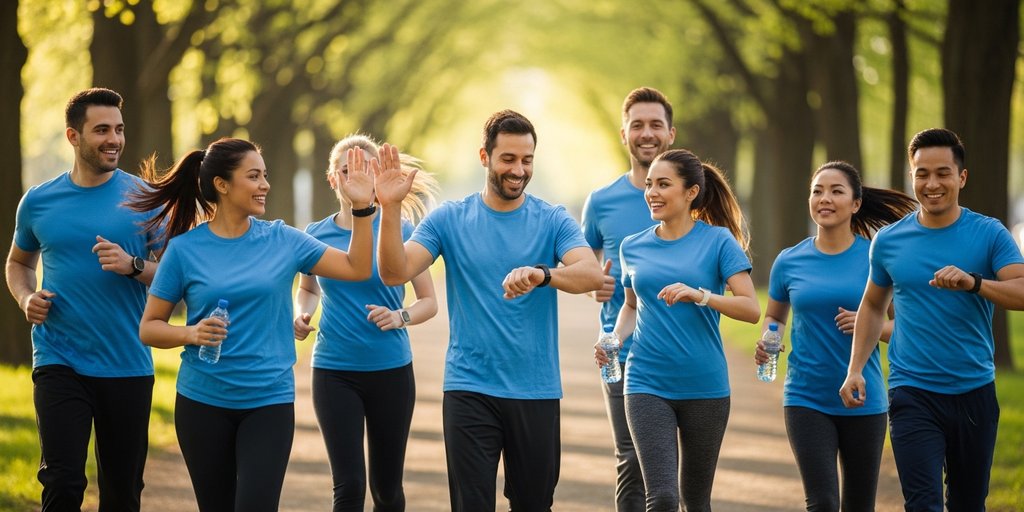
Picture this: a sales rep in Toronto laces up at 6 a. m. , a customer success manager in Austin runs at lunch, and the engineering team in Vancouver finishes together on a weekend trail.

You launched the step challenge. The first week was electric - sign-ups poured in, Slack channels buzzed with screenshots, and your leaderboard lit up like a scoreboard on game day.

Here's a stat that should grab every People Ops leader's attention: 67% of remote workers report feeling less connected to their colleagues.
Greetings! We are DistantRace. Fueled by our passion for sports, we strive to provide exceptional support in organizing unparalleled sports events. We believe that everyone deserves access to the finest sporting experiences.